How Much Does It Cost to Develop a Mobile App in India in 2026?
Building a mobile app can be a smart investment for a business, but one question usually comes up before development begins: how much will it actually cost?
The answer depends on what you want your app to do. A simple application with a few screens and basic features requires a very different budget from an e-commerce platform, a taxi booking app or a multi-vendor marketplace.
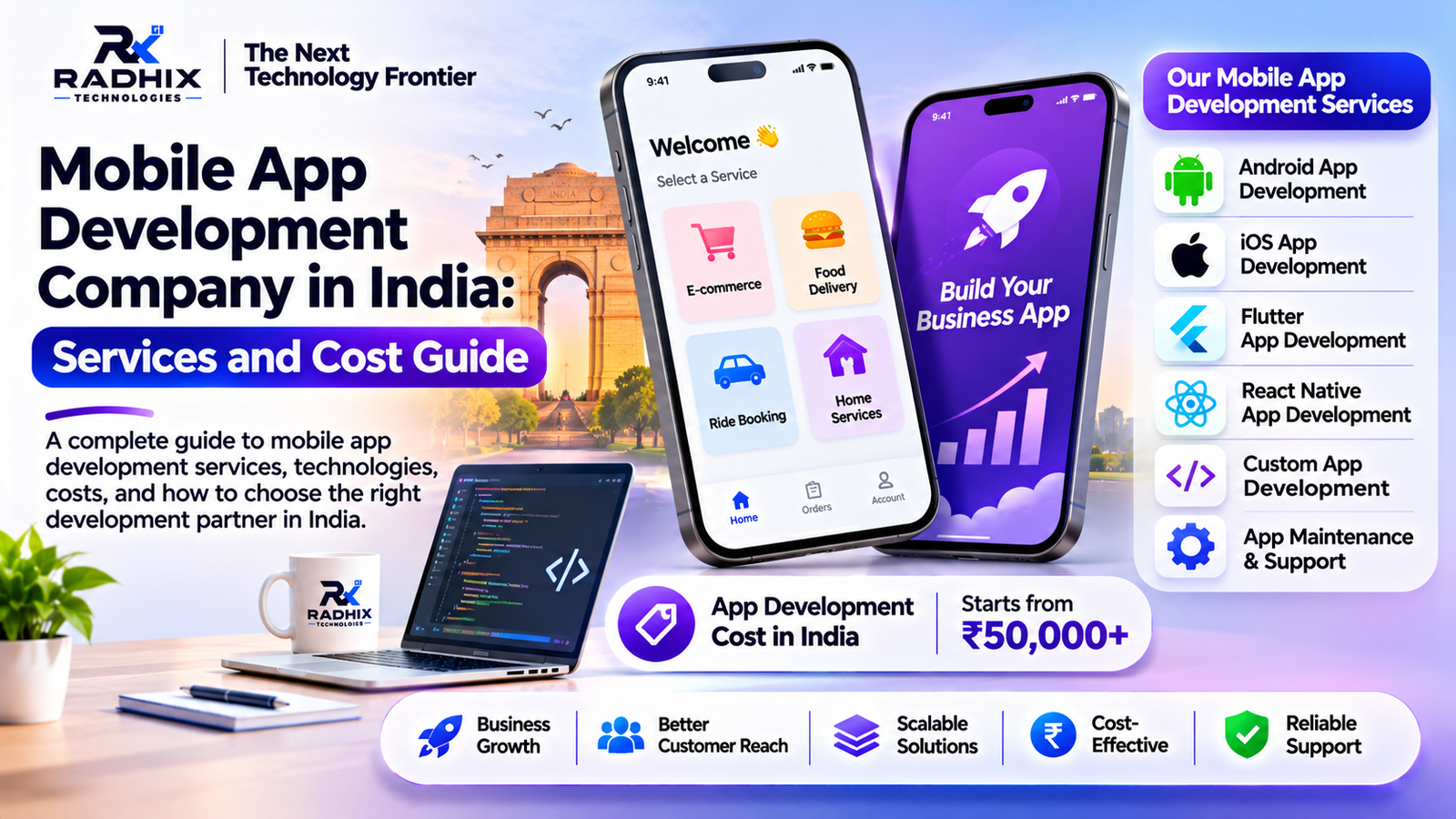
In India, mobile app development costs vary according to functionality, design, technology, integrations and the development team. In this guide, we will look at realistic estimated budgets for 2026, the factors that affect pricing and the additional expenses businesses should consider before starting a project.
1. Mobile App Development Cost in India in 2026
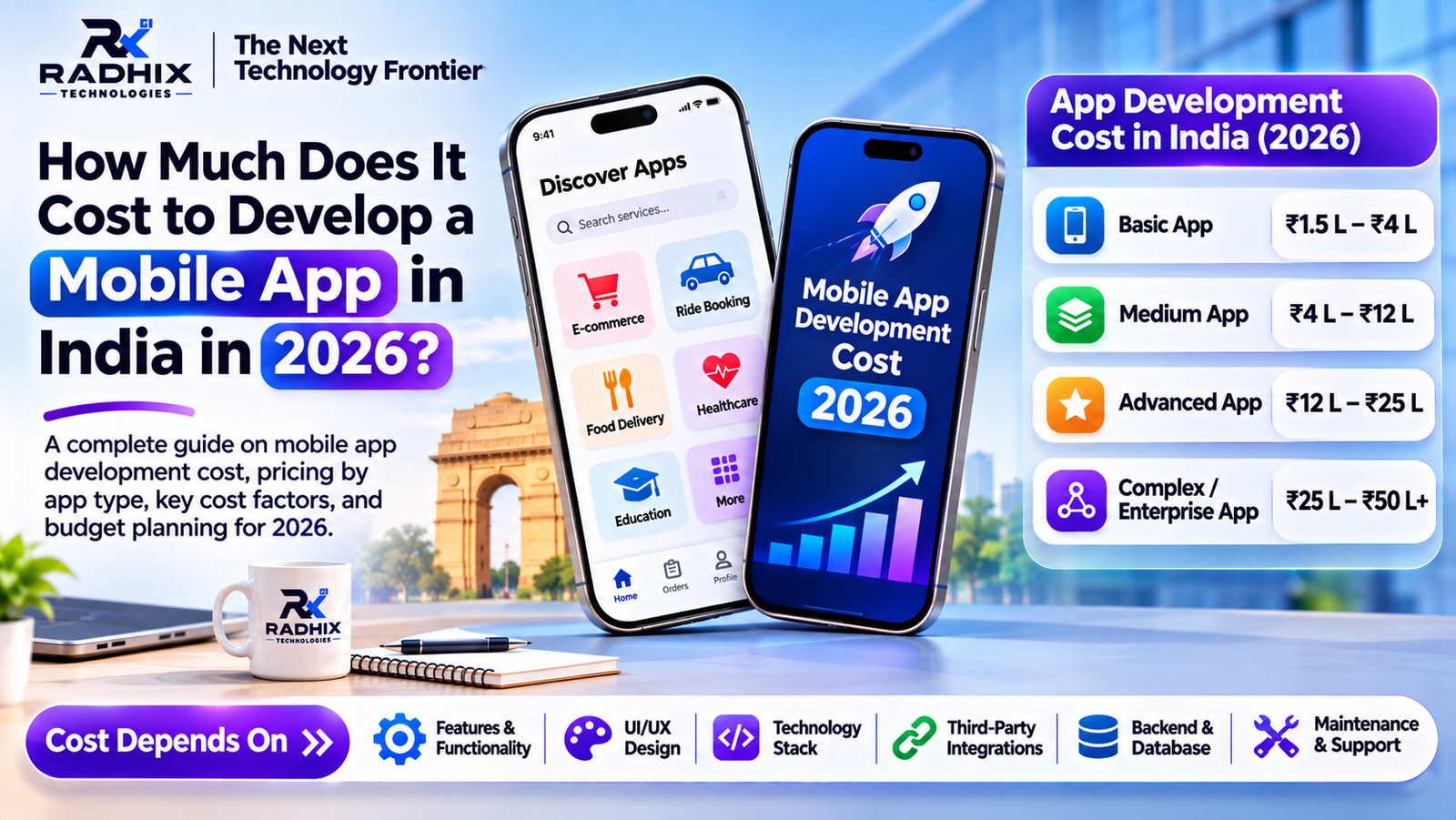
The following table provides indicative development cost ranges based on application complexity. These are planning estimates, not fixed quotations.
App TypeEstimated CostBasic mobile app₹1.5 lakh – ₹4 lakhMedium-complexity app₹4 lakh – ₹12 lakhAdvanced mobile app₹12 lakh – ₹25 lakhComplex business platform₹25 lakh – ₹50 lakh+
A basic app may include login, information screens and a simple user interface. A medium-level application might include payments, notifications, backend services and an admin panel.
Advanced applications often involve multiple user roles, real-time features and third-party integrations. Large platforms may require separate customer and partner apps, complex business workflows and scalable infrastructure.
The final cost depends on the actual features included in the project.
2. Cost Based on Different Types of Mobile Applications
Different business models require different development efforts. Here are some examples.
Basic Business Application
Estimated cost: ₹1.5 lakh – ₹4 lakh
Suitable for businesses that want a simple mobile presence or a basic customer-facing application.
Common features include:
- User registration and login.
- Company or service information.
- Contact and enquiry forms.
- Push notifications.
- Basic admin management.
E-commerce Mobile App
Estimated cost: ₹4 lakh – ₹10 lakh
An e-commerce app allows customers to browse products, add items to their cart and place orders.
Common features include:
- Product catalogue and categories.
- Shopping cart and checkout.
- Payment gateway integration.
- Order tracking.
- Customer profiles.
- Admin and product management.
Taxi Booking or Service Booking App
Estimated cost: ₹6 lakh – ₹15 lakh
Booking applications often require more development because customers and service providers need to interact through the platform.
Common features include:
- Customer and provider registration.
- Booking management.
- GPS and location services.
- Booking status updates.
- Payment integration.
- Ratings and reviews.
- Admin dashboard.
Food or Quick Commerce Delivery App
Estimated cost: ₹8 lakh – ₹20 lakh+
These platforms may include customer, vendor, delivery partner and admin modules.
Common features include:
- Product or restaurant listings.
- Cart and online ordering.
- Vendor management.
- Delivery assignment.
- Live order tracking.
- Payment and refund workflows.
- Commission management.
Custom Business or Enterprise Application
Estimated cost: ₹12 lakh – ₹50 lakh+
Enterprise applications are designed around specific business operations. They may connect multiple departments, locations, employees and external systems.
The cost depends on the number of modules, reporting requirements, automation workflows, integrations and security requirements.
3. What Factors Affect Mobile App Development Cost?
Two applications may look similar but have very different development costs. The difference usually comes from what happens behind the screen.
1. Number of features: Every additional function requires development, testing and maintenance. Features such as chat, live tracking, subscriptions and automated workflows increase the overall effort.
2. Android and iOS development: Building separate native applications generally requires more work than using a suitable cross-platform framework. The right approach depends on performance and device-specific requirements.
3. UI/UX design: A customised interface with detailed user journeys requires more design work than a simple standard layout.
4. Backend development: Applications that store customer information, manage orders, process transactions or support multiple user roles need backend services and database management.
5. Third-party API integration: Payment gateways, maps, SMS, WhatsApp and verification services may involve development charges as well as recurring usage fees.
6. Security and testing: Applications handling payments or personal information need careful testing, secure authentication and appropriate data protection measures.
4. Which Technology Is Best for Mobile App Development?
Technology selection affects development effort, performance and future maintenance.
TechnologyCommon UseFlutterCross-platform Android and iOS appsReact NativeCross-platform mobile applicationsKotlinNative Android applicationsSwiftNative iOS applicationsNode.jsBackend development and APIsMongoDB / PostgreSQLDatabase management
For many startups and growing businesses, Flutter or React Native can be practical choices because they support development for both Android and iOS through a shared codebase.
However, native development may be more suitable when an application depends heavily on platform-specific features or specialised device capabilities.
5. Additional Expenses You Should Not Ignore
Development is only one part of the total investment. Businesses should also plan for expenses after the application is completed.
Some common additional costs include:
- Server and cloud hosting: Required to store data and run backend services.
- Domain and website: May be needed for the business website and supporting services.
- Third-party API charges: Maps, SMS, payment services and other integrations may charge based on usage.
- Google Play and Apple developer accounts: Platform registration and publishing requirements should be budgeted separately.
- Maintenance and updates: Bug fixes, security improvements and compatibility updates continue after launch.
- Marketing: App promotion, customer acquisition and launch campaigns require a separate budget.
For ongoing maintenance, businesses can use an initial planning allowance of around 15–20% of the original development cost per year. Actual expenses depend on the support agreement, infrastructure and number of changes required.
6. How to Reduce Mobile App Development Cost
A limited budget does not mean you have to compromise on the main purpose of your application. Good planning can help control unnecessary development expenses.
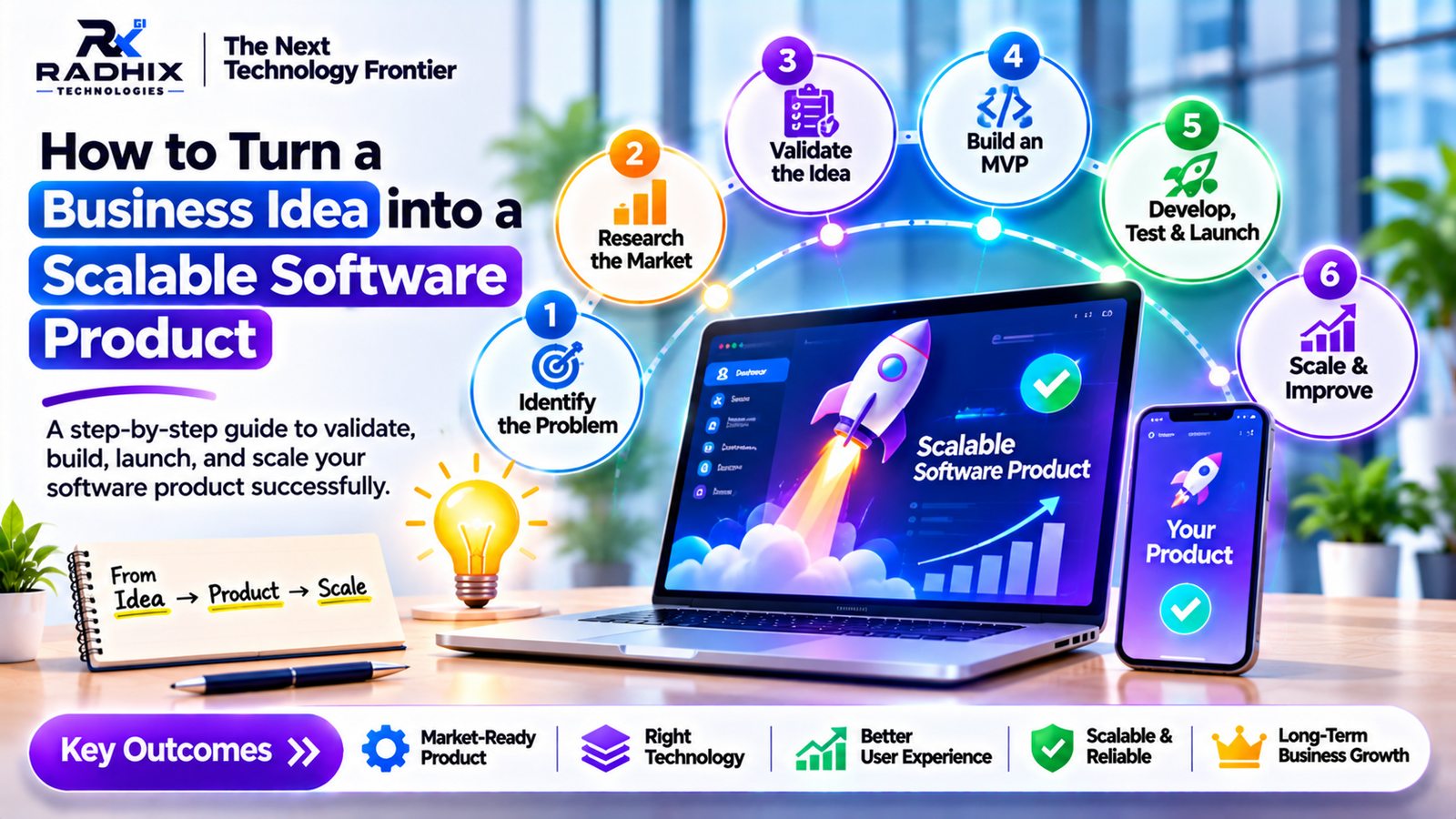
Start with essential features: Build an MVP with the functions customers need most. Add advanced features after understanding how users interact with the first version.
Choose the right platform: If your audience primarily uses Android, an Android-first launch may be worth considering. You can plan iOS development as a later phase.
Use suitable cross-platform technology: Flutter or React Native may reduce duplicated development work when both platforms are required.
Finalise requirements early: Frequent changes during development can affect both cost and delivery time. Prepare a clear feature list before signing the project.
Compare complete quotations: Check whether design, backend, admin panel, testing, deployment and source code are included. A lower headline price may not cover the complete product.
7. How to Choose the Right App Development Company
Choosing a development company is not just about finding the lowest quotation. You are selecting a team that will help build and maintain an important part of your business.
Before finalising a company, consider:
- Review its previous live applications and working projects.
- Ask for a clear breakdown of features and development costs.
- Understand the proposed technology stack.
- Confirm the project timeline and payment milestones.
- Check who will own the source code and project accounts.
- Discuss post-launch maintenance and technical support.
Most importantly, make sure the development company understands your business workflow. A good technical team should be able to explain what is practical, what can wait and what may increase the budget.
8. Mobile App Development Services at Radhix Technologies
At Radhix Technologies, we help businesses turn their application ideas into practical digital solutions. Our development approach starts with understanding the business requirements, target audience and expected application features.
Whether you need an Android app, iOS application, cross-platform solution, e-commerce app, booking platform or custom business software, the development plan should match your actual requirements and budget.
We focus on user-friendly design, suitable technology selection and structured development so that the application can be improved as the business grows.
Conclusion
The cost of developing a mobile app in India in 2026 can range from a few lakhs to several crores for large-scale platforms. The actual investment depends on the application's features, design, technology, integrations and long-term requirements.
Before starting development, prepare a clear feature list, decide which platform you need and compare detailed quotations from development companies.
A successful app is not necessarily the one with the most features. It is the one that solves a real problem, works reliably and provides value to its users.
Frequently Asked Questions (FAQs)
1. What is the minimum cost to develop a mobile app in India in 2026?
A basic mobile application may start around ₹1.5 lakh, depending on its features, design and backend requirements. The final quotation depends on the agreed scope.
2. How much does an Android and iOS app cost?
The cost depends on whether the application is developed natively for both platforms or through a cross-platform framework such as Flutter or React Native.
3. How long does mobile app development take?
A basic application may take around 4–8 weeks, while medium and complex applications can require several months.
4. Is Flutter cheaper than native app development?
Flutter can reduce duplicated development effort because one codebase can support Android and iOS. However, the actual savings depend on the app's features and technical requirements.
5. Does the development cost include maintenance?
Not necessarily. Maintenance should be clearly mentioned in the quotation, including its duration, covered services and charges after the free support period.
6. Can I develop a mobile app with a limited budget?
Yes. Starting with an MVP is a practical approach. Build the essential features first, test the product with real users and expand it gradually.