Content Marketing vs Paid Advertising: Key Differences Explained
In today's competitive digital world, businesses need effective marketing strategies to reach their target audience, build brand awareness, and generate leads. Two popular digital marketing methods are content marketing and paid advertising. Both help businesses attract customers, but they work differently and offer unique benefits.
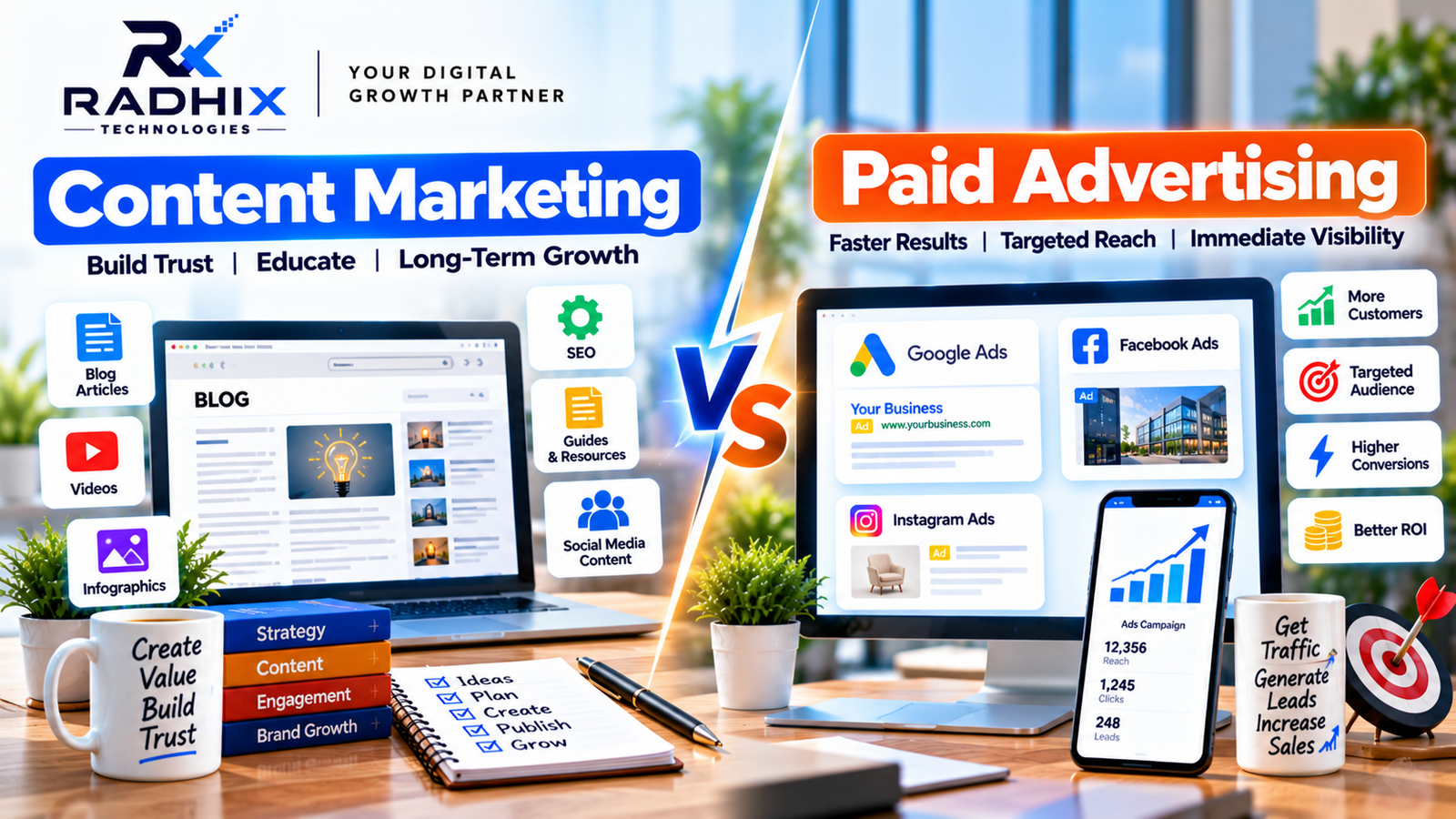
Content marketing focuses on creating valuable and informative content to attract and engage potential customers, while paid advertising involves paying to promote products or services through platforms such as Google Ads, Facebook Ads, and Instagram Ads.
Understanding the difference between content marketing and paid advertising can help businesses choose the right strategy according to their goals, budget, and target audience.
What Is Content Marketing?
Content marketing is a digital marketing strategy that involves creating and sharing useful, relevant, and engaging content to attract a specific audience. Instead of directly promoting a product or service, businesses provide information that helps potential customers solve problems and make informed decisions.
Common types of content marketing include:
- Blog posts and articles
- Website content and SEO pages
- Social media posts
- Educational videos
- Infographics
- Email newsletters
- Case studies and guides
For example, a website development company can publish blogs about website design, SEO, and the benefits of having a professional business website. These articles can help potential customers discover the company through search engines and learn about its services.
Benefits of Content Marketing
1. Builds Long-Term Organic Traffic
High-quality content optimized for relevant search queries can attract visitors through search engines over time. Results depend on content quality, competition, website authority, and SEO implementation.
2. Builds Trust and Credibility
Educational content helps businesses demonstrate their knowledge and expertise, making it easier for potential customers to understand their services.
3. Supports SEO Performance
Regularly publishing useful, relevant content can support search engine optimization by answering users' questions and targeting relevant keywords.
4. Provides Long-Term Value
Unlike an advertisement that typically stops generating paid exposure when a campaign ends, useful content may continue attracting visitors long after publication.
5. Supports the Customer Journey
Blogs, guides, and case studies can educate people at different stages, from researching a problem to comparing solutions and choosing a service provider.
What Is Paid Advertising?
Paid advertising is a marketing approach in which businesses pay platforms to display promotional messages to selected audiences. It helps companies gain visibility and drive traffic without relying entirely on organic reach.
Popular paid advertising platforms include:
- Google Ads
- Facebook Ads
- Instagram Ads
- LinkedIn Ads
- YouTube Ads
- Display advertising networks
For example, a company offering website development services can run Google Search Ads targeting people searching for a website development company in Faridabad. The advertisement may appear for relevant searches, depending on campaign settings, competition, and advertising eligibility.
Benefits of Paid Advertising
1. Faster Visibility
Paid campaigns can begin reaching relevant audiences soon after launch and approval, although results depend on targeting, bidding, and campaign setup.
2. Targeted Audience Reach
Advertising platforms allow businesses to target audiences using available options such as location, interests, demographics, search intent, and remarketing audiences.
3. Measurable Performance
Businesses can track metrics such as impressions, clicks, cost per click, conversions, and return on ad spend when suitable tracking is configured.
4. Budget Flexibility
Advertisers can set campaign budgets and adjust spending based on performance. Actual costs vary by platform, industry, competition, and audience.
5. Lead and Sales Generation
Well-planned campaigns can direct potential customers to landing pages, product pages, enquiry forms, or online stores.
Content Marketing vs Paid Advertising: Key Differences
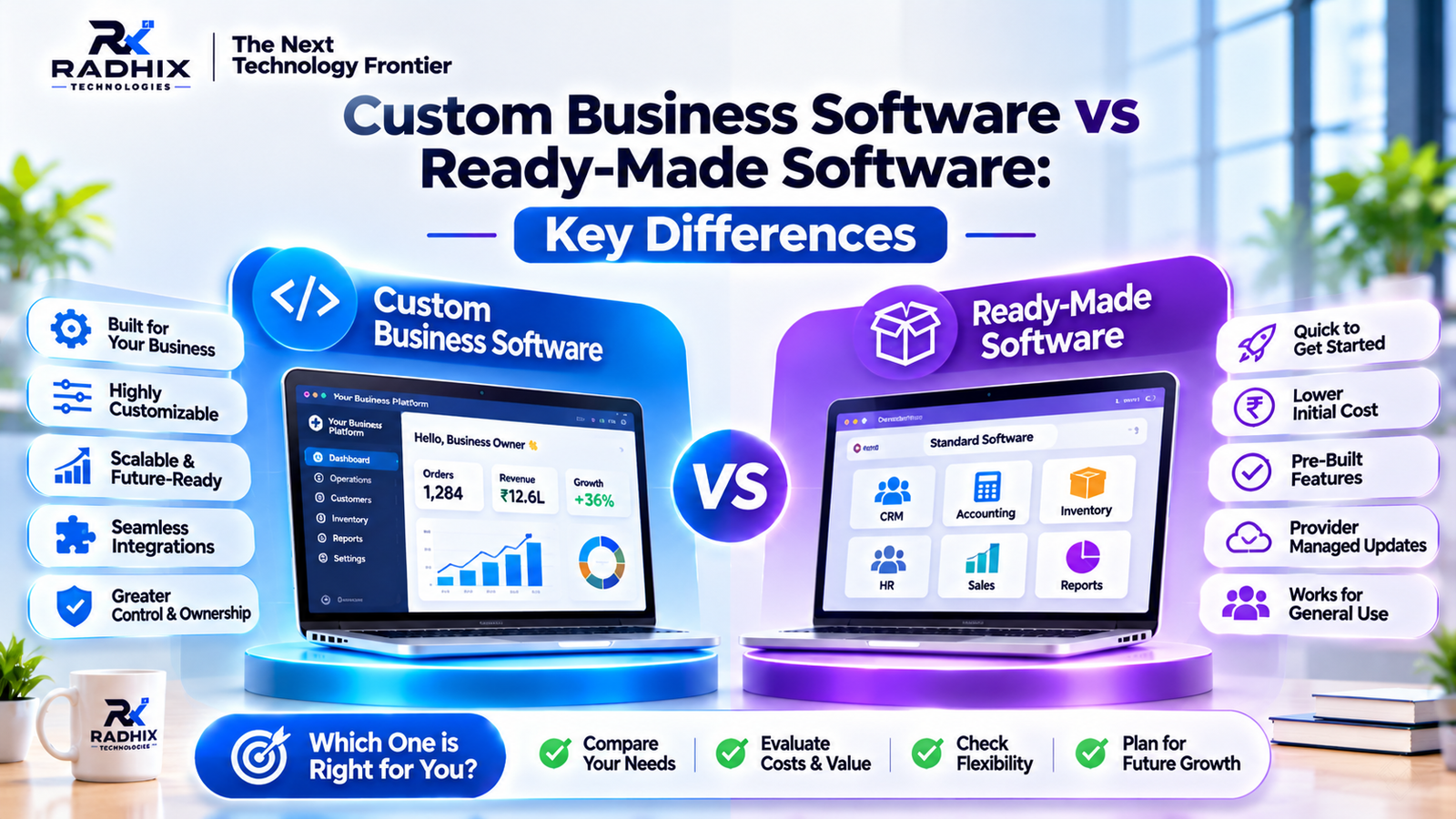
Content marketing and paid advertising can both support business growth, but their approaches and cost structures differ.
FactorContent MarketingPaid AdvertisingMain approachCreates useful content to attract audiencesPays to promote offers or messagesResultsUsually builds graduallyCan generate visibility quicklyCost structureRequires content creation and distribution resourcesRequires advertising spend plus campaign managementTraffic sourceOften organic search, social sharing, and referralsPaid placements on advertising platformsLong-term valueContent may continue attracting visitorsPaid exposure generally depends on continued spendingAudience targetingUses topics, keywords, and audience interestsUses platform targeting and campaign settingsTrust buildingSupports trust through useful informationBuilds awareness; trust depends on the message and experienceMeasurementTraffic, rankings, engagement, leads, and assisted conversionsClicks, cost per lead, conversions, and return on ad spendBest suited forEducation, authority, and sustainable audience growthPromotions, launches, time-sensitive offers, and faster reach
Which Strategy Is Better for Your Business?
There is no single answer for every business. The right strategy depends on your marketing objectives, available budget, sales cycle, and how quickly you need results.
Choose Content Marketing If:
- You want to build long-term organic visibility.
- Your audience researches solutions before purchasing.
- You want to establish authority in your industry.
- You need educational content to answer customer questions.
- You want to support your SEO and organic lead-generation efforts.
Choose Paid Advertising If:
- You want to promote a new product or service.
- You need faster visibility for a campaign.
- You have a time-sensitive offer or upcoming event.
- You want to test different offers, audiences, and landing pages.
- You have a budget for advertising and conversion tracking.
Businesses with limited budgets can begin with focused content creation and a small, measurable paid campaign rather than investing heavily in both strategies immediately.
Content Marketing vs Paid Advertising: Which Is More Cost-Effective?
The cost-effectiveness of each strategy depends on your objectives and results.
Content marketing requires investment in research, writing, design, video production, SEO, and distribution. Although the initial results may take time, successful content can continue delivering value after publication.
Paid advertising requires an ongoing advertising budget. It can produce traffic quickly, but profitability depends on campaign costs, conversion rates, customer value, and the quality of the offer.
For a fair comparison, businesses should measure the cost per qualified lead, customer acquisition cost, conversion rate, and revenue generated rather than comparing traffic numbers alone.
For example, a blog may attract relevant visitors over several months, while a paid campaign may genera