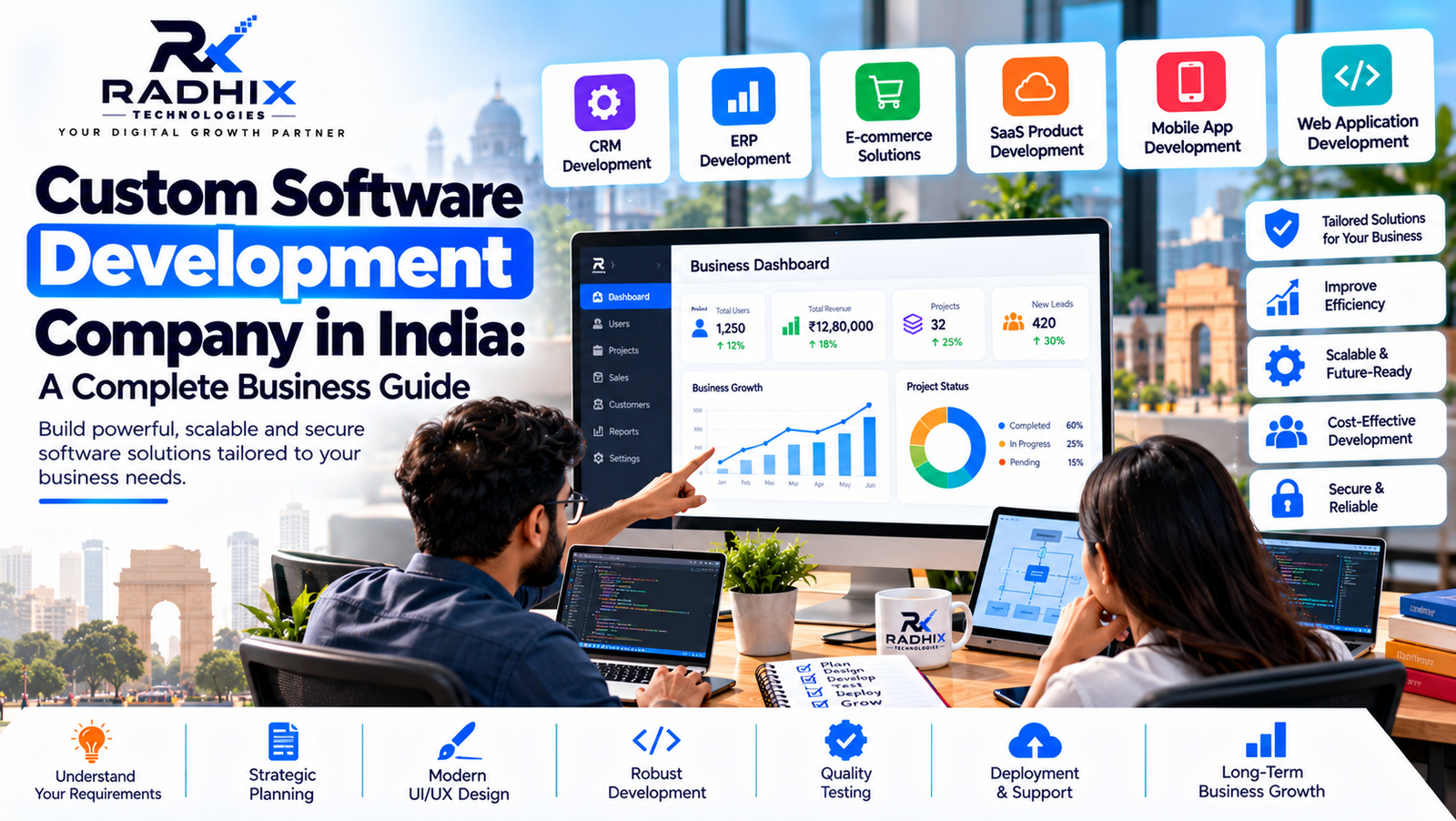
Custom Software Development Company in India: A Complete Business Guide
Businesses today need more than basic digital tools to manage their operations, serve customers, and compete in the market. From customer relationship management and inventory tracking to enterprise resource planning and business automation, software plays an important role in modern business growth.
However, ready-made software does not always meet every company's requirements. Different businesses have different workflows, operational challenges, customer expectations, and long-term goals. This is where custom software development becomes valuable.
Choosing the right custom software development company in India can help businesses build technology solutions that match their specific requirements, improve operational efficiency, and support future expansion.
In this guide, we will explore custom software development, its benefits, popular software solutions, development processes, technology stacks, cost considerations, and how to choose the right development partner.
What Is Custom Software Development?
Custom software development is the process of designing, developing, testing, and maintaining software according to the specific requirements of a business or organisation.
Unlike ready-made software, which offers standard features for a broad audience, custom software is designed around your business processes, users, and operational objectives.
For example, a retail business may need inventory management, billing, and order tracking in one platform. A logistics company may require vehicle tracking, delivery management, and automated order allocation. A service-based company may need a CRM with lead management, employee tracking, and reporting.
Custom software can combine these requirements into a single integrated system.
Why Do Businesses Need Custom Software?
As businesses grow, managing operations through spreadsheets, manual records, and disconnected applications can become challenging.
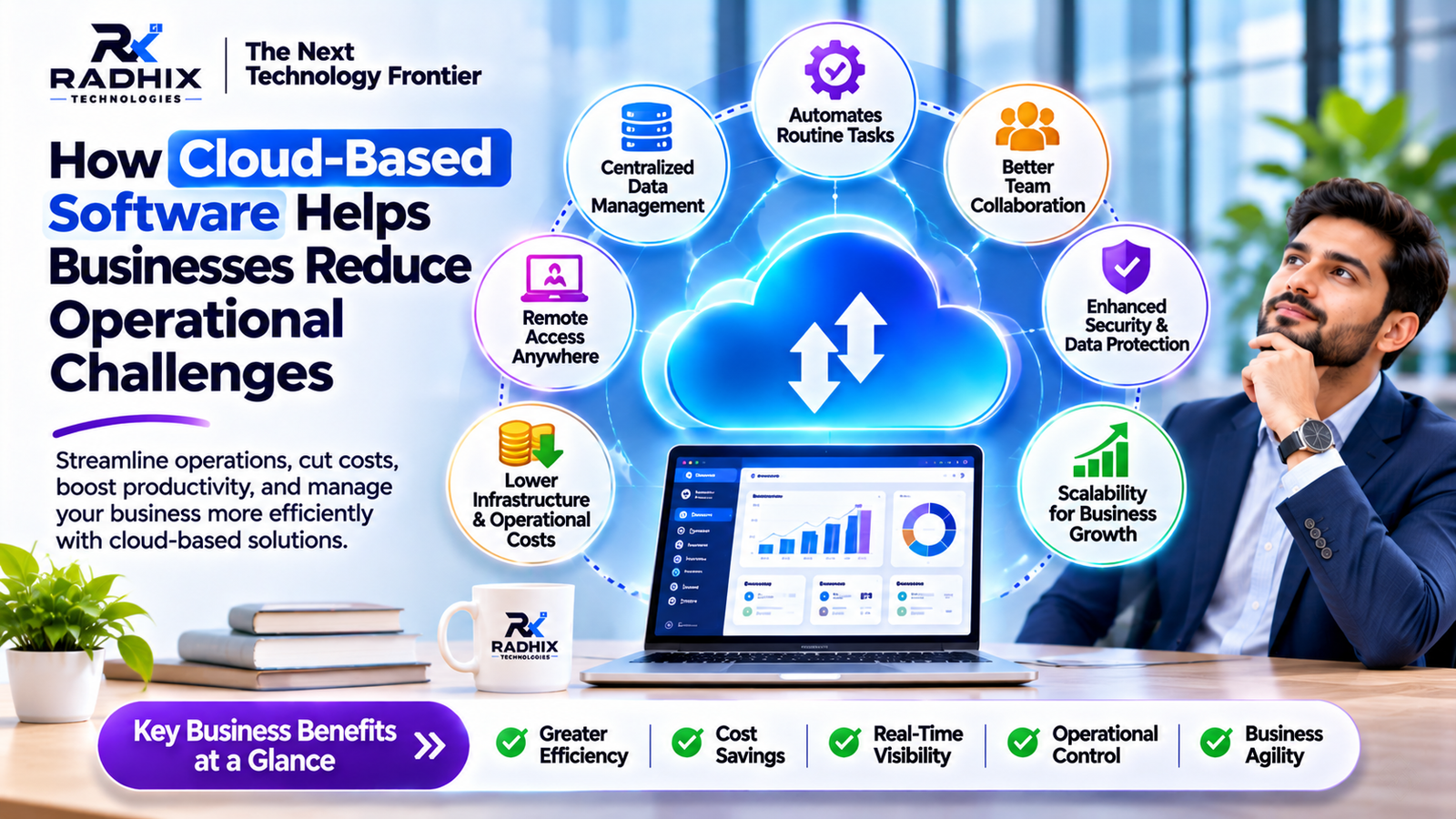
Custom software can help address these problems through automation and centralised management.
1. Business Process Automation
Manual business activities can consume valuable time and increase the possibility of errors.
Custom software can automate processes such as:
- Lead assignment and follow-ups
- Invoice and billing generation
- Employee attendance and task tracking
- Inventory updates
- Order processing
- Customer notifications
- Reports and performance monitoring
Automation allows teams to focus more on important business activities.
2. Software Designed Around Your Requirements
Every organisation has different operational needs. Custom software allows businesses to select the modules, features, user roles, and workflows that match their requirements.
This avoids unnecessary features and supports a more relevant user experience.
3. Improved Data Management
A centralised software platform can bring customer information, employee records, sales activities, inventory, and operational data together.
With appropriate access controls, authorised users can access relevant information and make better-informed decisions.
4. Scalability and Flexibility
Business requirements change over time. A well-planned software architecture can support additional modules, users, branches, integrations, and business processes as the organisation grows.
5. Better Customer Experience
Custom portals and applications can simplify customer interactions through online bookings, order tracking, service requests, payment processing, and personalised dashboards.
Popular Types of Custom Software Solutions
A professional software development company can build different types of business applications depending on the industry and requirements.
1. Customer Relationship Management (CRM) Software
CRM software helps businesses manage customer information and sales activities.
Common features include:
- Lead management
- Sales pipeline management
- Follow-up reminders
- Customer databases
- Employee performance reports
- Automated notifications
- Lead assignment
2. Enterprise Resource Planning (ERP) Software
ERP software connects different business departments through a centralised platform.
It may include:
- Inventory management
- Purchase and sales management
- Accounting integration
- Human resource management
- Production management
- Vendor management
- Business reporting
3. Inventory and Warehouse Management Software
This software helps businesses monitor stock levels and manage warehouse operations.
Important features include:
- Product and category management
- Stock tracking
- Purchase and sales records
- Barcode support
- Warehouse management
- Low-stock alerts
- Stock transfer management
4. E-commerce and Multi-Vendor Platforms
Businesses planning to sell products online can develop customised e-commerce platforms.
Features may include:
- Customer registration and login
- Product catalogues
- Shopping cart and checkout
- Payment gateway integration
- Vendor dashboards
- Order management
- Delivery tracking
- Admin management
5. Booking and Appointment Management Software
Booking software is useful for healthcare, hospitality, education, professional services, and other appointment-based businesses.
It can include:
- Online booking
- Availability management
- Calendar integration
- Customer profiles
- Payment processing
- Booking notifications
- Cancellation and refund workflows
6. SaaS Product Development
Software as a Service (SaaS) platforms allow customers to access software through the internet, usually through subscription-based plans.
A SaaS platform may include:
- User registration and authentication
- Subscription management
- Multiple customer accounts
- Role-based access
- Payment integration
- Usage analytics
- Admin dashboard
- Cloud infrastructure
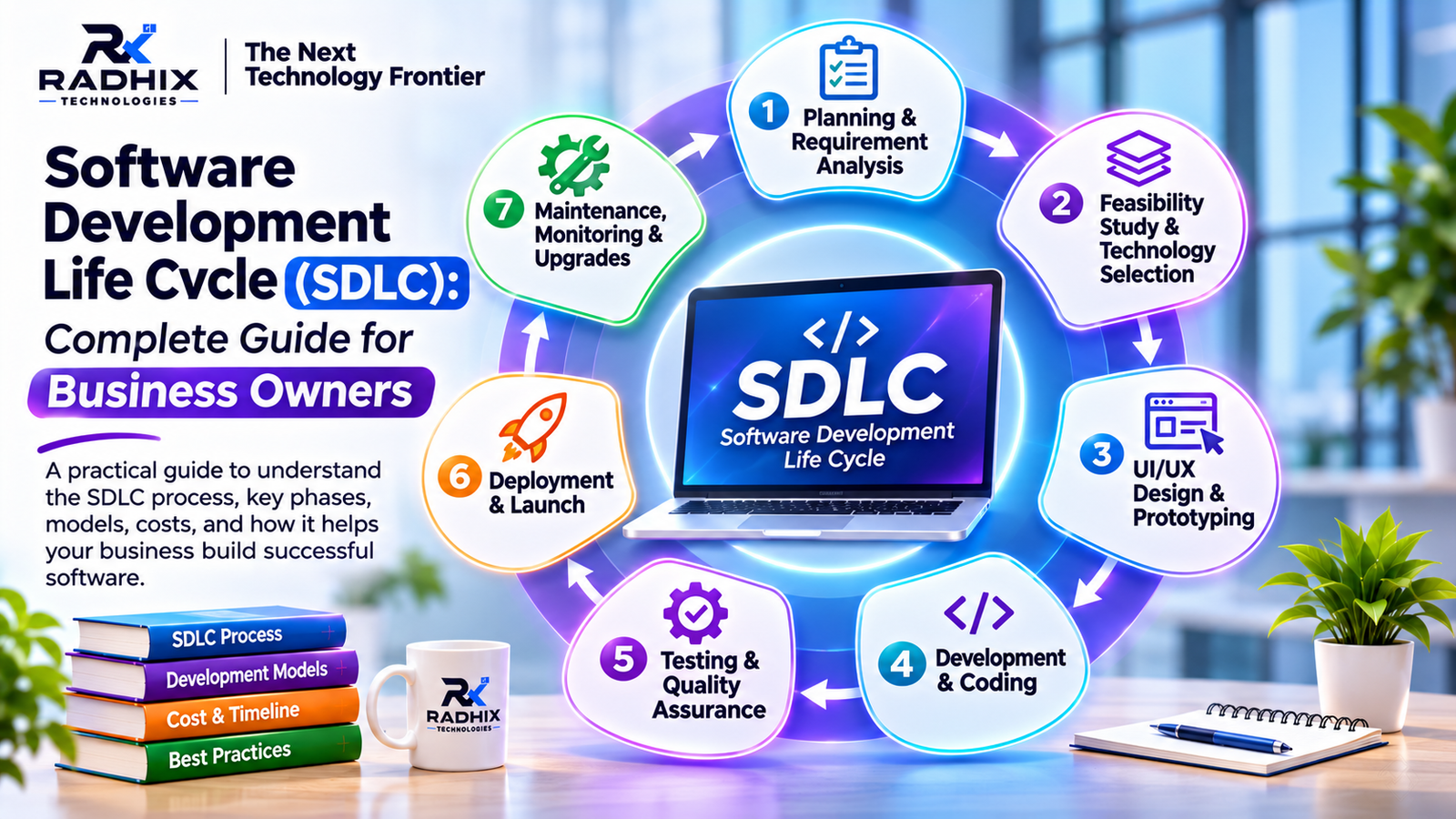
Custom Software Development Process
A structured development process helps businesses maintain clarity, control project scope, and reduce delivery risks.
Step 1: Requirement Analysis
The development team understands the business model, target users, current challenges, and expected software functionality.
The requirements are documented to establish the project scope.
Step 2: Planning and Architecture
The team plans the software architecture, database structure, modules, integrations, security requirements, and development milestones.
Step 3: UI/UX Design
The design team prepares wireframes and user interface designs to establish how customers, employees, and administrators will interact with the software.
Step 4: Software Development
Frontend and backend developers build the application according to the approved requirements.
The development process may include:
- Frontend development
- Backend development
- Database development
- API development
- Third-party integrations
- Admin dashboard development
Step 5: Testing and Quality Assurance
The software is tested to identify functional issues, usability problems, performance limitations, and security weaknesses.
Testing should cover the main workflows and different user roles.
Step 6: Deployment and Launch
After testing and approval, the software is deployed to the production environment. The team configures the server, database, domain, and other required services.
Step 7: Maintenance and Support
After launch, software may require bug fixes, security updates, performance improvements, backups, and additional features.
Businesses should discuss the support period and maintenance terms before finalising the development agreement.
Technologies Used in Custom Software Development
The technology stack depends on the project type, performance requirements, integrations, development budget, and future scalability needs.
Technology AreaCommon TechnologiesFrontend DevelopmentReact.js, Next.js, HTML, CSS, JavaScriptBackend DevelopmentNode.js, Express.js, Python, PHPMobile App DevelopmentFlutter, React Native, Kotlin, SwiftDatabaseMongoDB, MySQL, PostgreSQLCloud & HostingAWS, Microsoft Azure, Google CloudAPI DevelopmentREST APIs, GraphQLUI/UX DesignFigmaVersion ControlGit, GitHub
A suitable technology stack should be selected according to the project's actual requirements rather than simply choosing the most popular technology.
How Much Does Custom Software Development Cost in India?
The cost of custom software development in India depends on the scope, complexity, functionality, and resources required to complete the project.
There is no single fixed price for every software application.
Some of the major factors affecting development cost include:
1. Number of Features: A basic business tool requires less development effort than a multi-module enterprise platform.
2. Application Type: Web applications, Android apps, iOS apps, and cross-platform solutions have different development requirements.
3. UI/UX Complexity: Custom dashboards, advanced interfaces, and multiple user journeys can increase design and development effort.
4. Third-Party Integrations: Payment gateways, WhatsApp APIs, SMS services, maps, accounting software, and AI APIs may add integration costs.
5. Security Requirements: Authentication, role-based access, encryption, audit logs, and compliance requirements affect the overall scope.
6. Maintenance and Hosting: Server infrastructure, backups, monitoring, third-party subscriptions, and ongoing support should be considered separately.
The best approach is to request a detailed quotation based on documented requirements, deliverables, milestones, and support terms.
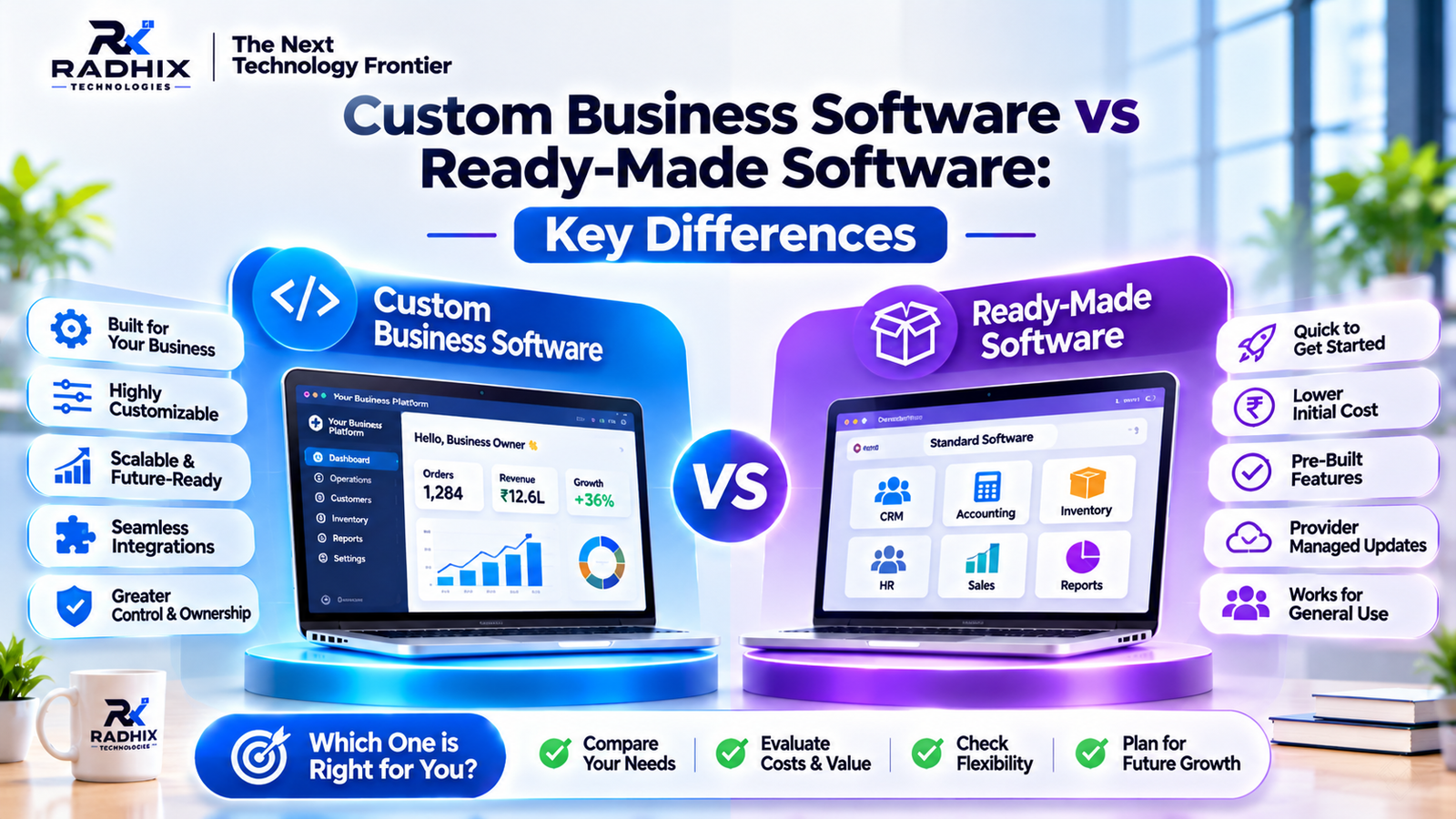
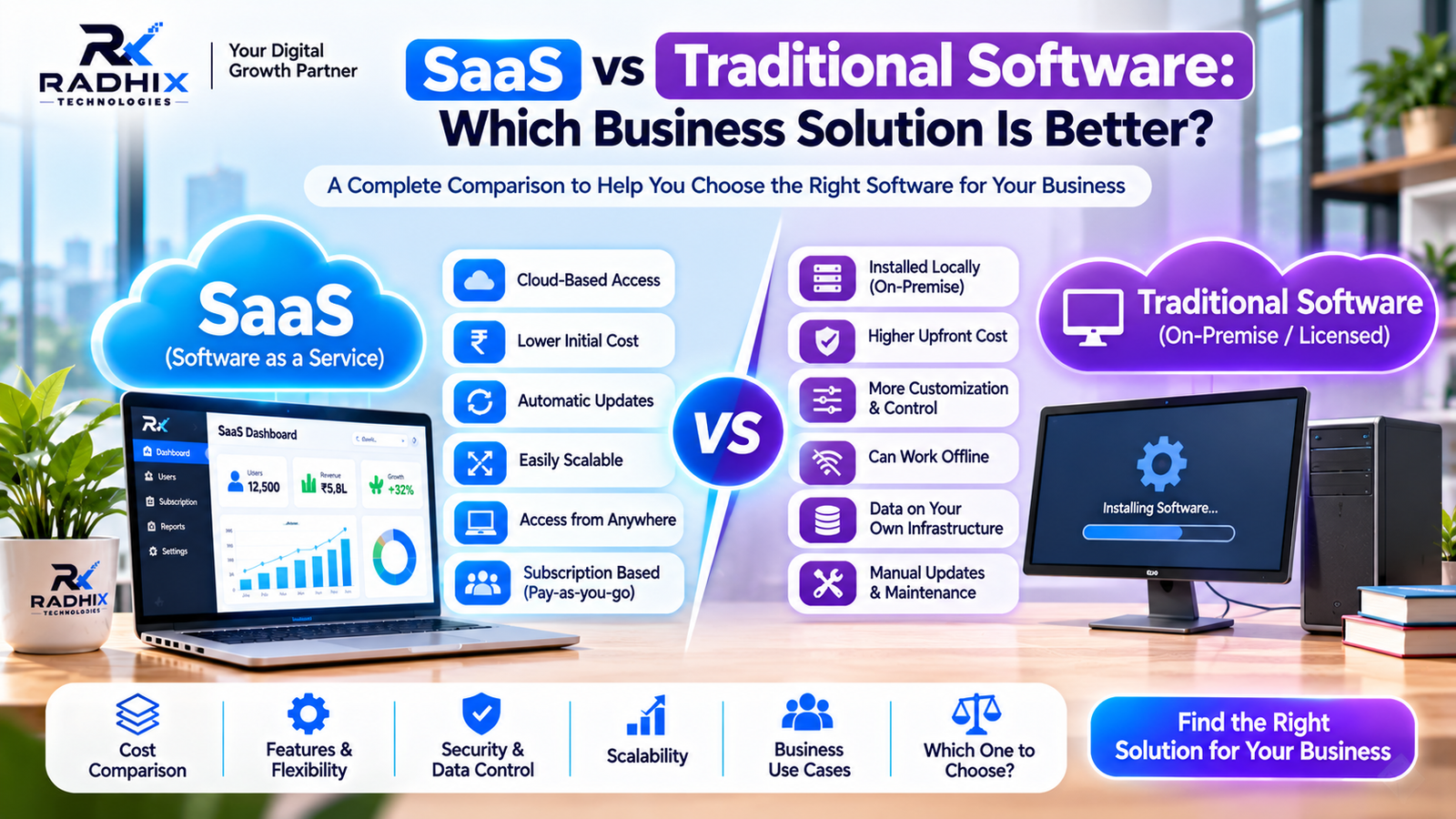
Custom Software vs Ready-Made Software
Businesses often compare custom-built software with ready-made solutions before making an investment.
ComparisonCustom SoftwareReady-Made SoftwareFeaturesBuilt around specific requirementsStandardised featuresFlexibilityCan be customisedLimited by the providerIntegrationCan support planned integrationsDepends on available integrationsOwnershipDepends on contract and IP agreementUsually licensedInitial InvestmentGenerally higherOften lowerScalabilityCan be planned around business growthDepends on product limitationsDevelopment TimeRequires developmentCan often be used quickly
Ready-made software may be suitable when standard features meet business requirements. Custom software is worth evaluating when existing tools cannot support important workflows or integration needs.
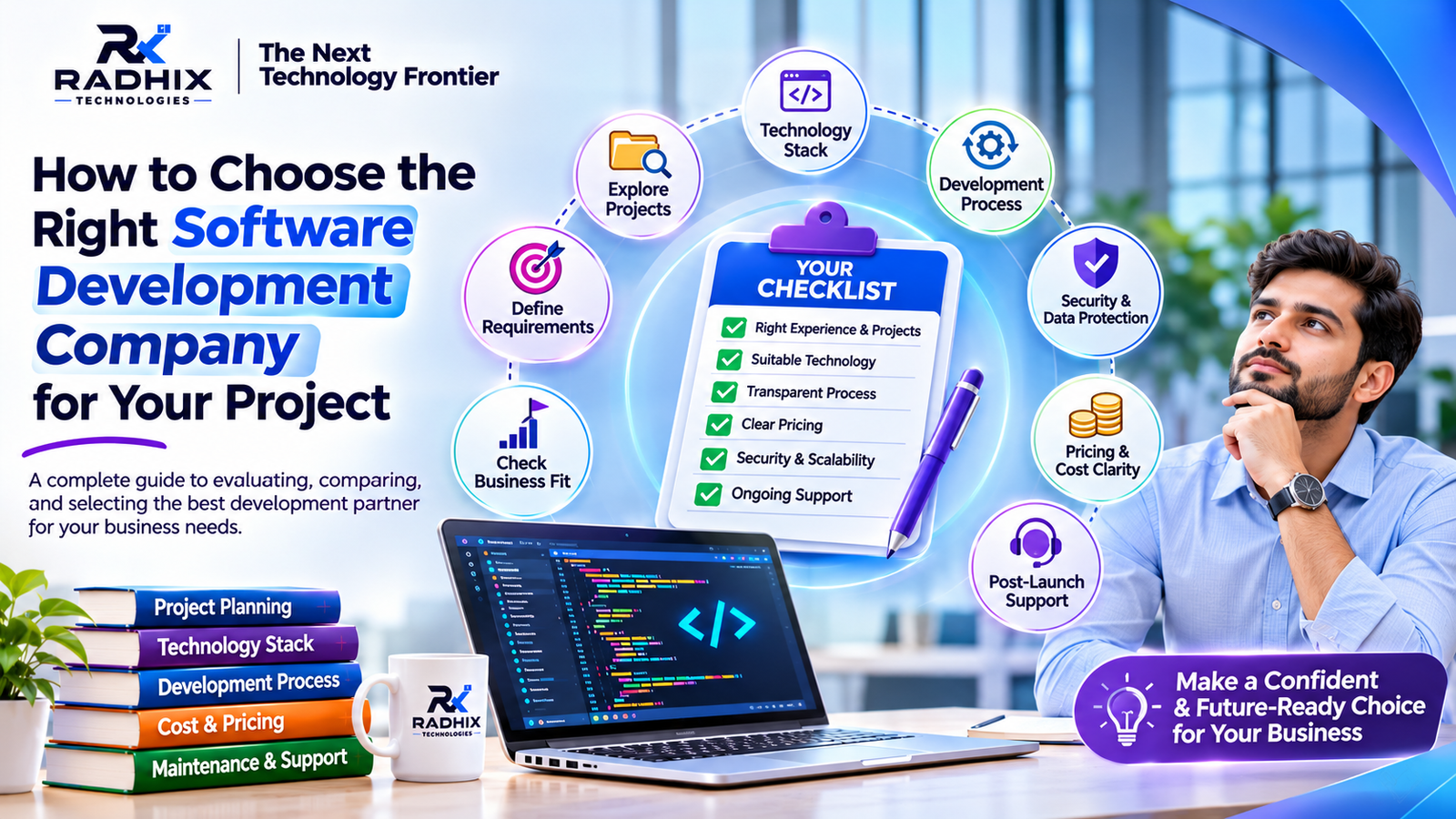
How to Choose the Best Custom Software Development Company in India
Selecting the right technology partner is an important decision because software development involves investment, business data, and long-term operational requirements.
Consider these factors before choosing a company.
1. Check Company Experience
Review the company's experience in developing business applications, web portals, mobile applications, CRM systems, ERP solutions, and SaaS platforms.
2. Review Portfolio and Case Studies
Ask for examples of completed projects and understand what business problems those solutions addressed.
3. Evaluate Technical Expertise
Check whether the team has experience with the technologies, databases, cloud platforms, and APIs required for your project.
4. Understand the Development Process
A reliable development partner should explain the project stages, milestones, testing process, and communication approach.
5. Ask for a Detailed Quotation
The proposal should clearly mention:
- Project scope and features
- Technology stack
- Development timeline
- Total development cost
- Payment milestones
- Third-party expenses
- Maintenance and support
- Deliverables and handover terms
6. Confirm Source Code and Ownership
Discuss intellectual property rights, source code access, database access, deployment credentials, and documentation in the agreement.
7. Check Post-Launch Support
Understand what is included in free maintenance, how bugs are handled, and what charges apply to future enhancements.
Industries That Benefit from Custom Software Development
Custom software can support organisations across many industries.
- Healthcare: Hospital management, patient portals, appointment booking, and clinic administration.
- Education: School ERP, student management, online learning, and examination systems.
- Retail: POS, inventory management, e-commerce, and multi-vendor platforms.
- Real Estate: Property listing portals, lead management, booking systems, and CRM.
- Logistics: Fleet management, route planning, shipment tracking, and delivery management.
- Manufacturing: Production planning, inventory control, quality management, and supply chain operations.
- Finance: Business dashboards, financial workflow management, and reporting applications.
The exact features should be designed according to the industry's operational and regulatory requirements.
Common Mistakes to Avoid When Developing Custom Software
Businesses can reduce project risks by avoiding some common mistakes.
- Starting development without clear requirements.
- Selecting a company only because it offers the lowest quotation.
- Ignoring UI/UX and user experience.
- Not defining project milestones.
- Skipping proper software testing.
- Ignoring data security and backup planning.
- Not discussing source code ownership.
- Overlooking maintenance and hosting costs.
- Adding major features without reviewing their impact on budget and timeline.
Clear documentation, regular project reviews, and proper testing help create a more predictable development process.
Why Choose Radhix Technologies for Custom Software Development?
Radhix Technologies Pvt. Ltd. helps businesses turn their ideas and operational requirements into digital solutions.
We focus on developing software, websites, web portals, and mobile applications designed around business needs.
Our development services include:
- Custom Software Development
- Web Application Development
- CRM and ERP Development
- SaaS Product Development
- E-commerce and Multi-Vendor Platforms
- Android and iOS App Development
- API and Third-Party Integrations
- Business Process Automation
- UI/UX Design
- Software Maintenance and Support
Our approach focuses on understanding business requirements, planning suitable technology solutions, developing practical features, and supporting the product through the agreed project lifecycle.
Whether you are a startup planning a new software product or an established business looking to automate operations, choosing the right development approach can help you build a stronger digital foundation.
Visit Radhix Technologies to explore our digital solutions and discuss your software development requirements.
Conclusion
Custom software development can help businesses improve operational efficiency, automate repetitive tasks, manage data, and create better customer experiences.
However, successful software development starts with a clear understanding of business requirements. Companies should evaluate their workflows, define essential features, select an appropriate technology stack, and choose a development partner with a transparent process.
If your business needs software that fits its unique operations and long-term goals, working with a professional custom software development company in India can be a practical step towards digital transformation.
Frequently Asked Questions (FAQs)
1. What is a custom software development company?
A custom software development company designs, builds, tests, and maintains software applications according to the specific requirements of businesses and organisations.
2. How much does custom software development cost in India?
The cost depends on the application type, features, integrations, technology stack, and complexity. A detailed requirement analysis is necessary to prepare an accurate quotation.
3. How long does it take to develop custom software?
The timeline depends on project scope and complexity. A small application may take a few weeks, while a large multi-module platform may require several months.
4. Which technologies are used for custom software development?
Common technologies include React.js, Next.js, Node.js, Python, PHP, Flutter, MongoDB, MySQL, PostgreSQL, and cloud platforms such as AWS and Azure.
5. Can custom software be integrated with existing business systems?
Yes. Custom software can integrate with supported third-party services and existing systems through APIs, subject to technical compatibility and provider access.
6. Is custom software suitable for small businesses?
Yes. Small businesses can develop focused applications for CRM, inventory, billing, booking, and workflow automation when existing tools do not meet their requirements.
7. Does custom software require maintenance after launch?
Yes. Regular maintenance may include bug fixes, security updates, backups, compatibility updates, monitoring, and feature enhancements.
8. How do I choose a software development company in India?
Review the company's portfolio, technical expertise, project process, quotation, communication, ownership terms, and post-launch support before making a decision.